Constitutional Systems and Human Wellbeing
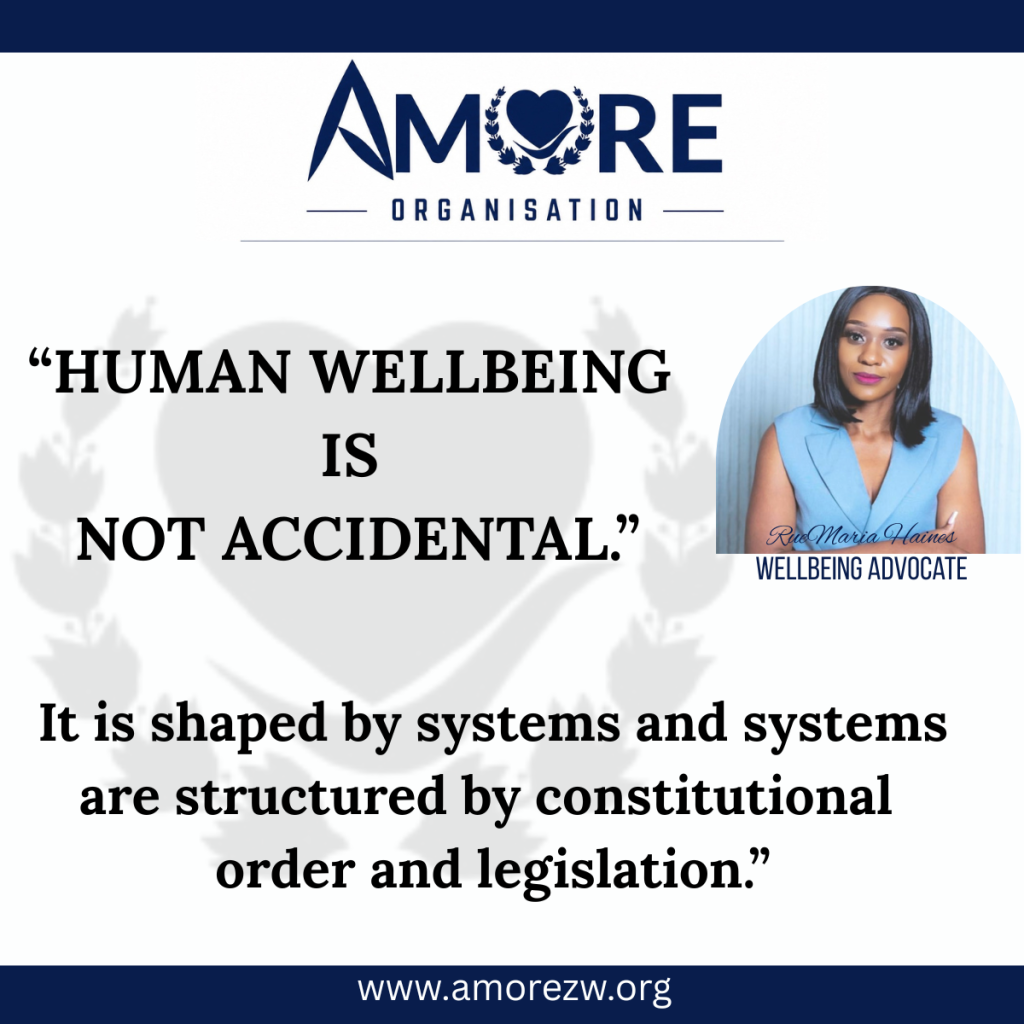
Human wellbeing is shaped by interconnected systems of governance, health, law and social protection.
Across constitutional systems, the Constitution functions as the supreme legal framework, establishing foundational principles of dignity, equality, protection and access to care.
Beyond legal hierarchy, it defines the normative vision of a just and functioning society.
Legislation serves as the operational mechanism through which constitutional principles are translated into practical systems of governance and service delivery.
Legal and policy frameworks collectively shape how care is structured, how rights are implemented and how protection is activated within society.
Where alignment between constitutional principles and operational systems is incomplete, system inconsistencies may emerge in the lived experience of care and protection.
These inconsistencies are not abstract, they are experienced through fragmented services, uneven access and variability in protection.
This is why constitutional alignment matters: it ensures coherence between legal intent and system performance in the governance of human wellbeing.